
.svg)
.svg)
.svg)
.svg)
.svg)


Therapy
Can Surgical Scars Cause Chronic Pain? The Hidden Link Most People Miss
Surgical scars are often seen as a normal and harmless part of healing. Once the incision closes, many people assume the issue is resolved.
However, a growing body of clinical observation and research suggests that surgical scars can sometimes contribute to chronic pain—months or even years after the original procedure.
If you’ve ever experienced persistent pain after surgery with no clear explanation, scar tissue may be an overlooked factor.
In this article, we’ll explore:
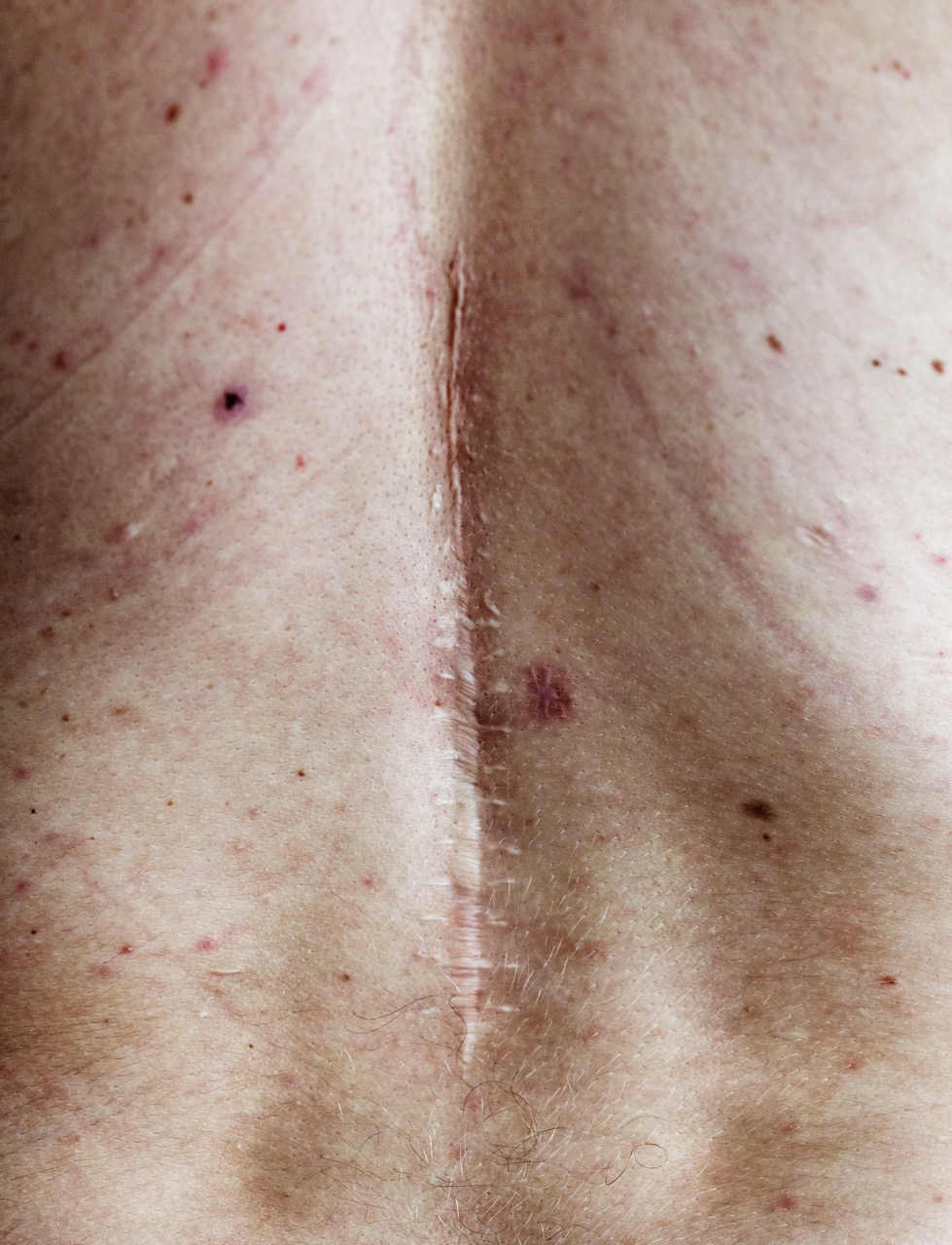
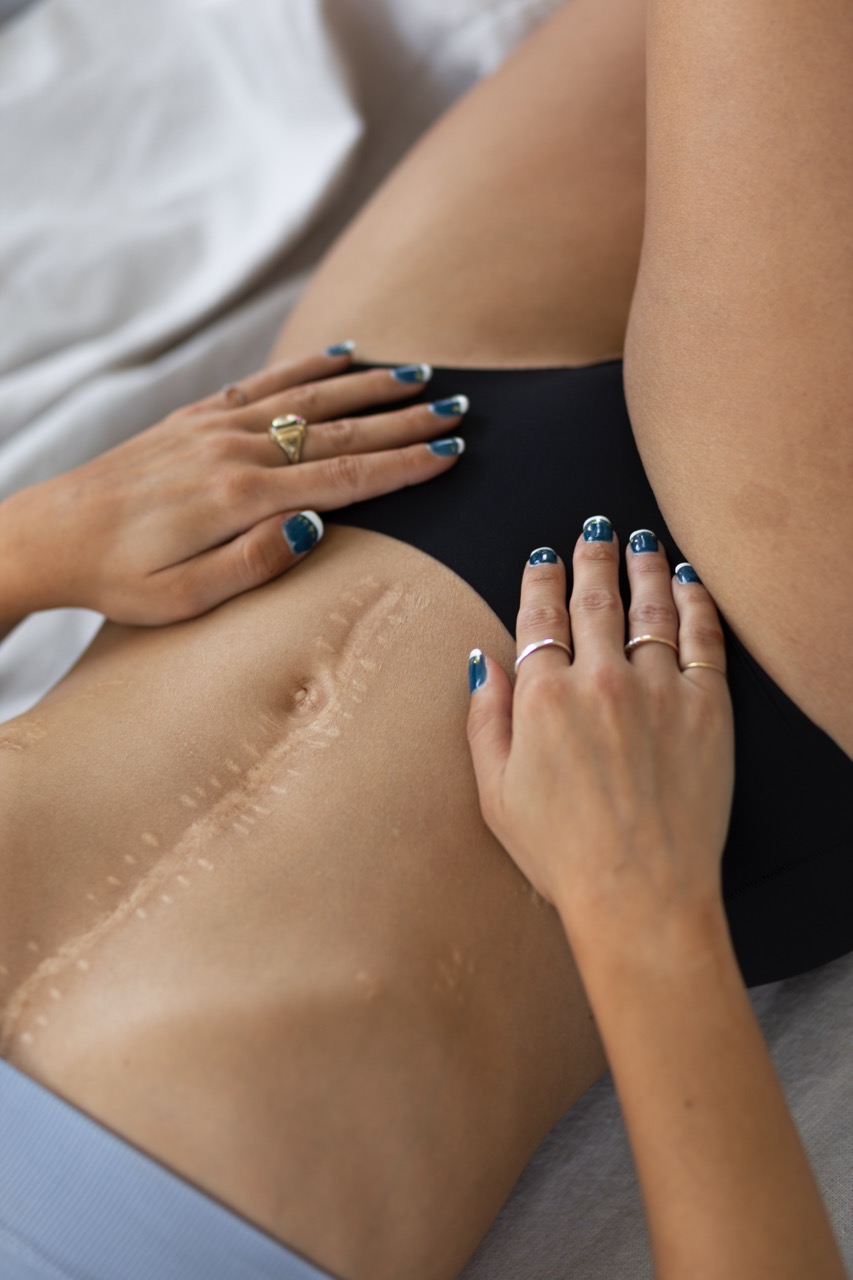
Whenever surgery occurs, the body must repair multiple layers of tissue, including:
The healing process involves rapid collagen production to close the wound.
However, scar tissue is not identical to normal tissue.
Scar tissue:
Because of these differences, scars can sometimes interfere with normal movement and sensation.
The short answer is: yes, surgical scars can contribute to chronic pain.
This is supported by both conventional and integrative medicine perspectives.
Chronic post-surgical pain is more common than many people realize.
It is often associated with procedures such as:
In some cases, pain persists even after tissues appear fully healed.
There are several biological mechanisms that explain how scar tissue can lead to ongoing discomfort.
During surgery, small nerve fibers are inevitably cut or damaged.
As they heal, nerves may:
This can lead to:
Scar tissue can bind to surrounding fascia, limiting movement.
This may create:
Some scars remain mildly inflamed long after healing.
This ongoing inflammation can contribute to persistent pain signals.
Scar tissue may affect the Autonomic Nervous System, which controls involuntary body functions.
When scar tissue irritates nerve fibers, it may lead to:
In integrative medicine, scars are sometimes described as interference fields.
An interference field is an area of tissue that disrupts normal nerve signaling.
This concept was introduced by Ferdinand Huneke and Walter Huneke, pioneers of Neural Therapy.
They observed that treating certain scars could relieve symptoms in completely different areas of the body.
A patient with chronic shoulder pain experienced immediate relief after treatment of an unrelated scar—a phenomenon often referred to as the Huneke Phenomenon.
While still debated scientifically, this idea highlights the potential systemic impact of scar tissue.
Scar-related pain is not always obvious.
Certain procedures are more likely to result in problematic scars.
Even dental scars may influence nerve pathways and pain patterns.
The body operates not only through chemistry but also through electrical signals.
All cells maintain an electrical charge that allows them to communicate.
Scar tissue may disrupt this electrical balance, leading to abnormal signaling.
Disrupted electrical communication may contribute to:
This concept is central to emerging fields like bioelectric medicine.
One treatment approach gaining attention is Neural Therapy.
Neural therapy involves injecting small amounts of local anesthetic (such as procaine) into specific areas, including scars.
Neural therapy may:
Because scars may disrupt nerve signaling, injecting them directly can sometimes restore normal communication.
Some patients report rapid improvements in pain and function.
Neural therapy is not the only option.
Helps restore movement and reduce compensatory patterns.
Improves tissue mobility and reduces adhesions.
May regulate nervous system activity and reduce pain.
Can help remodel scar tissue and improve healing.
Treatments like PRP may support tissue repair.
You may want to consider scar-related pain if:
Chronic post-surgical pain is recognized in conventional medicine.
Studies show that nerve injury and scar formation are key contributors.
However, the concept of scar interference fields and treatments like neural therapy require further large-scale research.
Yes—many patients experience improvement with targeted therapies.
The key is identifying the scar as a potential source of dysfunction.
Yes. Scar tissue can affect nerves and fascia long after healing.
Internal tissue and nerve changes may persist beneath the surface.
Not necessarily. Many treatments can improve symptoms.
Some patients report significant relief, though more research is needed.
Surgical scars are more than just surface-level marks—they can influence the nervous system, movement, and overall health.
While not all scars cause problems, some may contribute to chronic pain through nerve irritation, fascial restriction, and altered signaling.
Understanding this connection opens the door to more effective treatments, including neural therapy and other integrative approaches.
If you’re dealing with unexplained pain after surgery, your scar may be worth a closer look.
Share today:
.svg)
.svg)
.svg)
.svg)
.svg)
.svg)
.svg)